
Recycling and environment tips for children at home
Environmental education starts with simple actions children can understand and repeat in daily life.
Sorting waste or recycling correctly does not always happen spontaneously: it needs explanation, practice, and routine. In a world under significant environmental pressure, where preserving the natural environment is vitally important, children need to learn what it means to care for the environment.
In this category you will find practical tips for working on recycling and caring for the environment with clear habits adapted to home.
The idea is to turn these actions into everyday, understandable, visible behaviors so children understand that caring for their environment is also part of their daily responsibility.
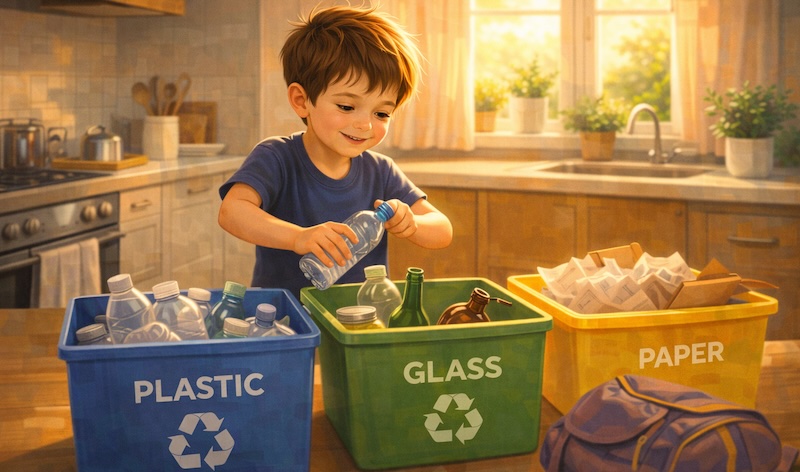
What you will find in this section
Recycling and environment tips for children at home.
Tips in this category
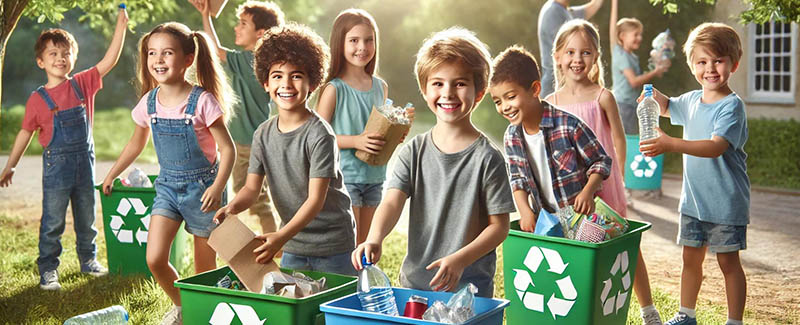
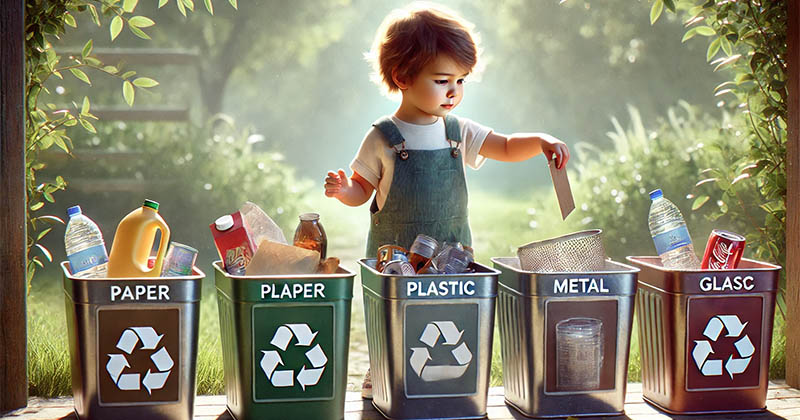
Why it matters
Common mistakes
Other tip categories
Explore other categories to connect Environment with daily routines and positive habits:
Frequently asked questions
How can I explain recycling so they understand it well?
The best approach is usually to use concrete examples, bins, or visual references and practice in real situations at home. The more tangible it is, the easier it will be for the child to remember.
What should I do if they mix waste or sort it incorrectly?
It is a normal part of learning. Correct calmly, repeat the rule, and practice several times. When the same system is maintained and correct attempts are reinforced, improvement comes more easily.
Why is it useful to work on environmental habits at home?
Because they help develop responsibility, attention, and participation in shared tasks. They also turn care for the environment into something everyday and understandable for the child.