
Hygiene and personal care tips for children: daily routines with independence
Personal care habits help children gain independence and take care of themselves day to day.
However, many families encounter resistance, rushing, forgetfulness, or too much dependence in tasks such as brushing teeth, showering, or getting dressed.
In this category we bring together practical tips for working on children's hygiene at home in a clear, gradual way with positive reinforcement.
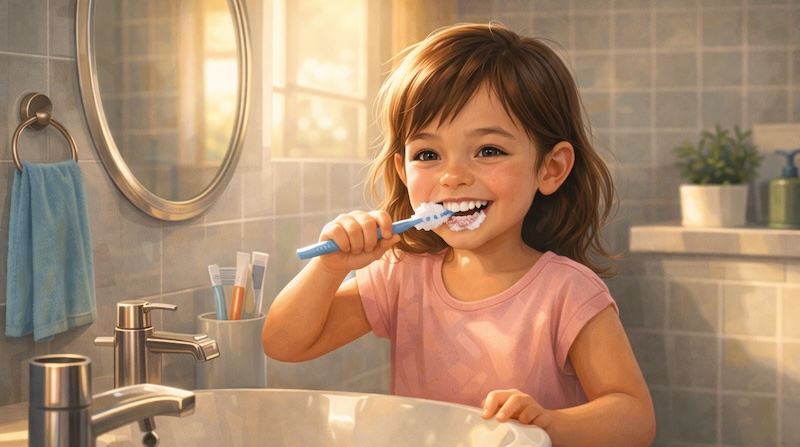
What you will find in this section
Hygiene and personal care tips for children: daily routines with independence.
Tips in this category





Why it matters
Common mistakes
Other tip categories
Explore other categories to connect Hygiene with daily routines and positive habits:
Frequently asked questions
At what age should hygiene habits start?
The earlier small routines are introduced, the better. The key is to adapt expectations to the child's age, support them at first, and gradually increase independence as they gain confidence.
What should I do if they always refuse to wash or shower?
It usually helps to set a fixed time, give advance notice of the routine, and divide the task into concrete steps. Reinforcing cooperation also works better than going straight into a daily argument.
Is it better to always help so it goes faster?
Not always. Helping too much can slow independence. It is better to support only where needed, let them do their part, and reinforce effort even if it is not perfect yet.