
Tip list: choose a habit and start today
In Motikids, each “tip” is a practical guide to help your children learn a specific behavior, from food and hygiene to routines and rules at home.
The tips are part of the app from Motikids. First choose a rule and apply the tip; then, in the app, you can record in the star chart when it is completed, add stars and reinforce progress with rewards.
Tips by category
We have grouped the tips into different categories to help you find them. If there is one you cannot find, you can request it inside the app.
Food
-

Practical ideas to help your child eat fruit every day without arguments.
-

Eating what is served at the table
Strategies to accept the family meal and calmly reduce “I don’t like it”.
-

How to introduce vegetables gradually and improve willingness to try them.
-

Simple routines to start the day with a complete breakfast without rushing.
-

Guidelines for speaking politely at the table and waiting to swallow before talking.
Hygiene
-

A step-by-step routine to make bath time quick, safe, and free of battles.
-

How to encourage independence in the shower with supervision and safe habits.
-

Tips to make washing their face a natural part of the daily routine.
-

How to turn handwashing into an automatic habit.
-

Guidelines to improve brushing: time, technique, and consistency without anger.
-

Tips for daily hair combing with fewer tangles and more cooperation.
-

How to start flossing in an easy, age-appropriate way.
-

Strategies for getting dressed independently: choosing, organizing, and doing it at their own pace.
Home
-

Build the light-switch habit.
-

Share chores without pressure.
-

Putting clothes in the laundry
Ideas to help them put clothes in the hamper and keep things orderly consistently.
-

A simple method for making the bed every morning in a few minutes.
-

How to help wash dishes safely with a realistic sharing of tasks.
-

Guidelines to keep their room clean with small, repeatable goals.
-

How to organize clothes, fold or hang them, and find them later without chaos.
-

A guided routine for starting the washing machine: sort, set the program, and start.
-

How to set the table in order and take responsibility for their part.
-
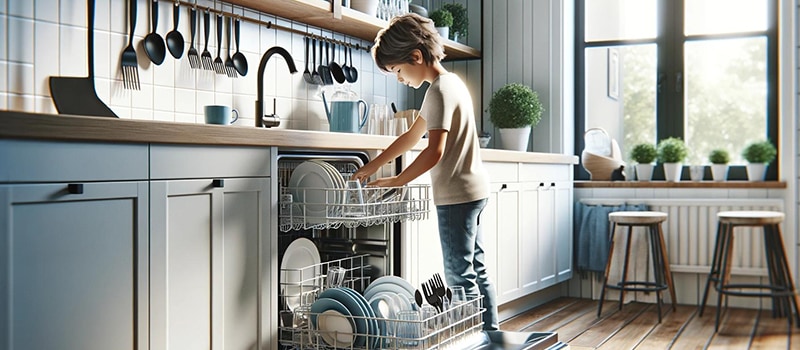
Steps to load the dishwasher properly and avoid common mistakes.
-

How to tidy the kitchen after eating with a 5-10 minute routine.
-
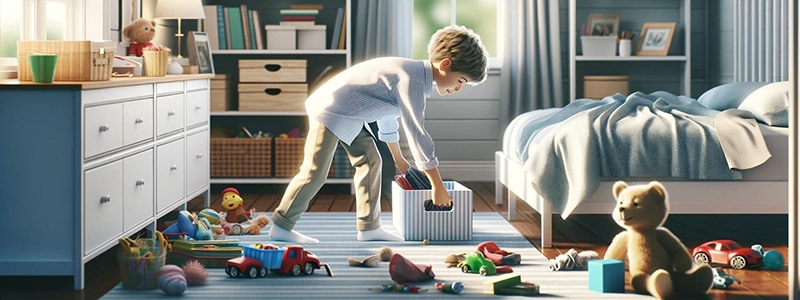
Ideas for tidying the room by zones and finishing without overwhelm.
-

How to remove plates and clean the basics to leave the table ready quickly.
-
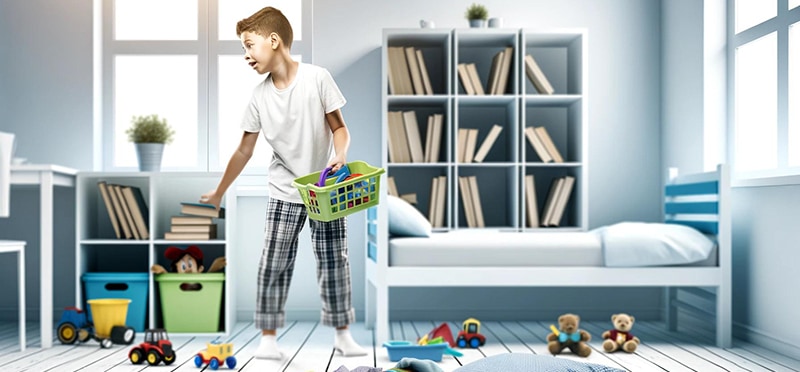
How to tidy toys by category and with a time limit to avoid fights.
-

Unloading the washing machine and hanging clothes
A guide to taking out clothes, hanging them, and leaving everything tidy at the end.
-

How to take out the trash responsibly: bag, sorting, and schedule.
Education
-

A calm routine to end the day: goodbye, affection, and clear limits.
-

How to start the day with a positive greeting and a mini morning routine.
-

Practice a calmer voice.
-

How to encourage fair play with simple rules and consistent consequences.
-

Strategies for staying in bed: routine, calm, and reinforcement for successful nights.
-

Practice calm alternatives to hitting.
-

Guidelines for managing sibling conflicts and rewarding cooperation.
-

How to greet politely at home and outside, with example rather than pressure.
-

Practice kindness in daily moments.
Study
-

How to create a short daily study habit without relying on scolding.
-

Ideas for learning the alphabet through play: short repetition and consistency.
-
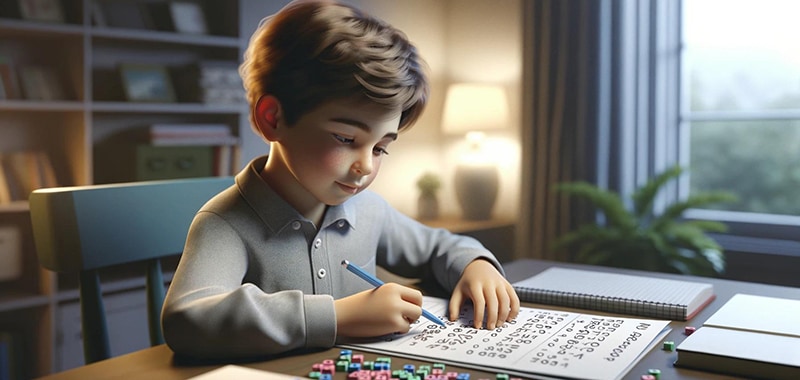
How to practice numbers with everyday games: shopping, stairs, and time.
-
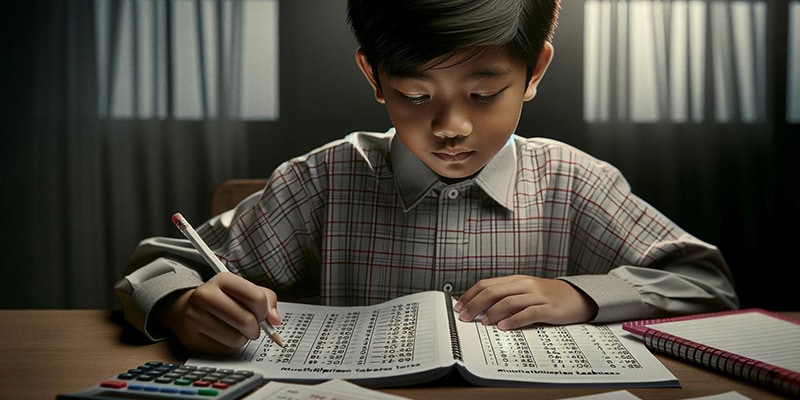
Studying multiplication tables
Practice times tables in small steps.
-
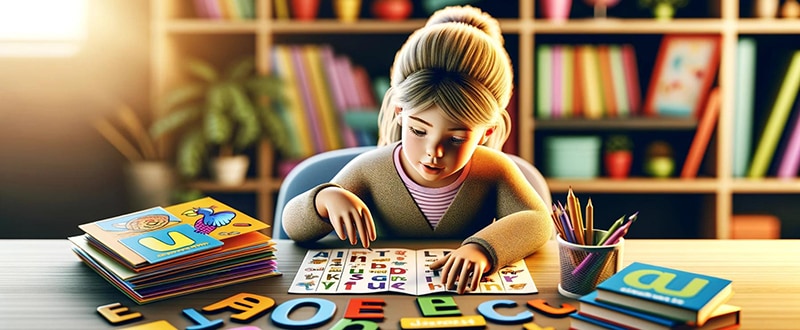
How to reinforce vowels with short reading, sound, and writing activities.
-

Guidelines for handwriting without frustration: a few minutes, posture, and breaks.
-

Help your child focus and finish.
-

Plan homework without taking over.
-

Practice English in daily routines.
-

Ideas for reading every day: free choice, short time, and consistency.
-

How to improve in math with short practice and step-by-step examples.
-

Guidelines for participating in class: confidence, turns, and reinforcing effort.
-

How to practice an instrument without arguments: fixed schedule, small goals, and a reward.
Schedules
-

Going to bed at the agreed time
How to go to bed at the agreed time with a predictable routine and timed warnings.
-

Strategies for waking up independently: alarm, light, preparation, and reinforcement.
-

How to nap when needed: environment, duration, and smooth transition.
-

Getting ready and arriving at school on time
A routine for leaving on time: prepare backpack, clothes, and key minutes.
Environment
-

How to recycle at home with clear bins and simple roles for children.
-
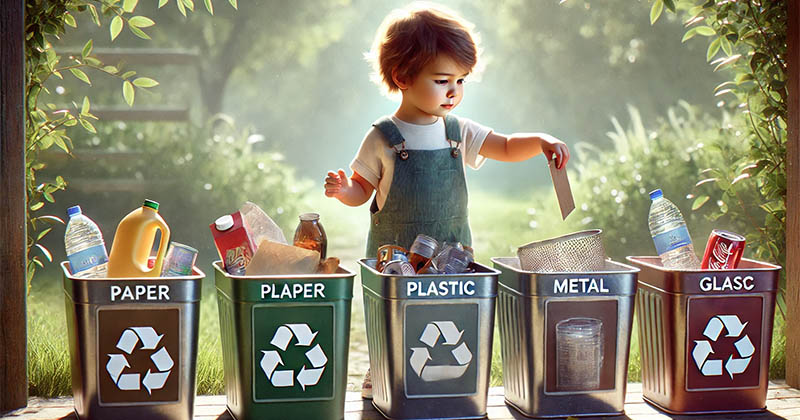
A guide to sorting waste without confusion: labels, examples, and visual reminders.
Following instructions
-

Guidelines for listening: eye contact, short sentence, and consistent consequence.
-

How to come to dinner when called: advance warnings and a routine transition.
-

A calmer path to lunchtime.
-

Coming to breakfast when called
A smoother breakfast routine.
Organization
-

How to set an alarm at bedtime to prepare for the next day without forgetting.
-

Preparing clothes for tomorrow
A routine for leaving clothes ready: choose, check the weather, and prepare accessories.
Health
-

Make sport easier to start.
-

Meal-time snack boundaries.
-

How to remember vitamins: visual cue, fixed moment, and simple tracking.
Start with something simple today and track it for one week
For it to work, choose one or two rules and apply them consistently for a few days. Then add more if you want. If you want to better understand why this approach is based on positive reinforcement, you can read our full guide.
Frequently asked questions
Do these tips work for any age?
They are designed to help parents with children. Adjust the language and the type of reward to the child’s age.
Do I have to apply all the tips?
No. Choose the ones that fit your home and your situation. Motikids is designed to go step by step.
What should I do if one day does not go well?
That is normal. Keep the rule, simplify the goal, and reinforce any progress.