Encourage communication
- Encourage your children to communicate their feelings and concerns openly and respectfully.
- Teach them to express emotions constructively and resolve conflicts through dialogue and negotiation.

Teaching your children not to fight with their siblings is important for promoting family harmony and building strong relationships between them.
Parents often face arguments over jealousy, shared attention, toys, or age differences, which makes it harder to stay calm and consistent when setting limits.
Below you will find useful tips for this situation Apply them and track results in the app from Motikids..
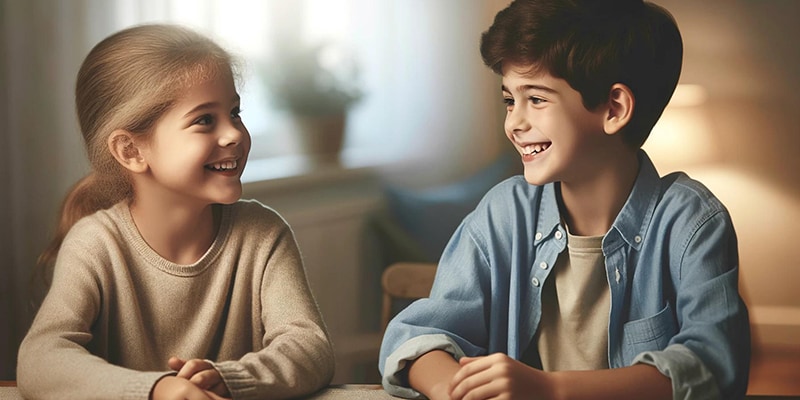
How to avoid fights between siblings at home.
Use these ideas as a guide. What matters is consistency and Positive reinforcement.
Remember that teaching your children to get along with their siblings gives them important interpersonal skills and promotes a harmonious family environment. With your guidance and support, your children will learn to avoid fights by resolving conflicts peacefully and valuing the special bond they have with their siblings.
If you are working on “Not fighting with siblings”, these related tips from the same category can help as practical next steps:


In addition to this habit, many families also work on these rules at home:


Explore more guides that connect “Not fighting with siblings” with other family habits:
Set clear turns with a timer, validate what they feel, and offer alternatives, another toy or shared game, to keep the conflict from escalating.
Intervene if there is aggression, insults, or risk; if it is a mild disagreement, observe and guide with questions so they practice negotiating and reaching agreements.
Describe specific behaviors without labels, listen to both separately if needed, and apply consistent consequences based on what happened, not on who they are.
The most effective ones are usually immediate and related: a pause to calm down, temporary loss of the disputed object, or repeating the activity while following rules of respect.
Name the positive behavior specifically, sharing, waiting turns, helping, and create cooperative moments at home so repeating that behavior feels valuable.