Home Tips List Greeting people
Parenting tip
Education

How to teach children to greet people respectfully and politely

Teaching your children to greet is an essential social skill that will help them establish positive connections with others and show respect and courtesy in their daily interactions.

Many parents face embarrassment, inconsistency, or a child's resistance, because of shyness or distraction, when trying to get them to greet people in social moments.

Below are several practical tips that can make this process easier Apply them and track results in the app from Motikids..

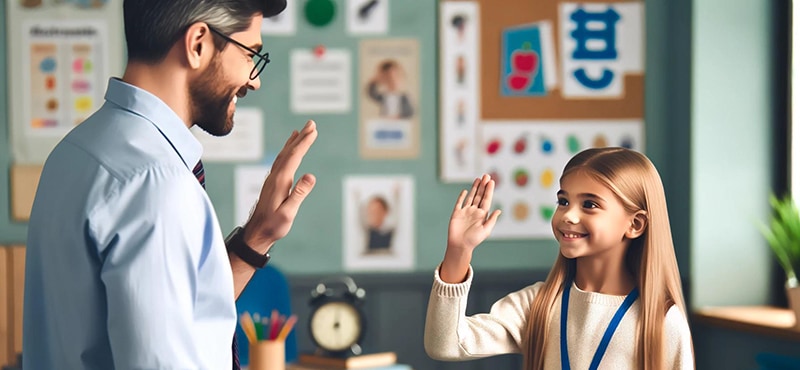
Motikids tip: Greeting people

Practical tips

Use these ideas as a guide. What matters is consistency and positive reinforcement.

Model an appropriate greeting

  • Show your children how to greet other people courteously and kindly.
  • It is important for them to see examples of appropriate greetings in different social situations so they can imitate them.
  • Use every everyday opportunity to teach by example: a brief greeting, a smile, and eye contact are usually enough.

Practice greetings regularly

  • Make greeting people part of your children's daily routine, whether when arriving home, meeting friends, or meeting new people.
  • Practice different forms of greeting, such as shaking hands, nodding, or simply saying hello.

Reinforce positive behavior

  • Reward your children when they greet other people appropriately and respectfully.
  • Positive reinforcement will help reinforce the habit of greeting and motivate them to continue showing good manners.

Teach the importance of greeting

  • Explain to your children why it is important to greet others.
  • Help them understand that greeting is a way to show respect and courtesy toward people they know and people they have just met.

Prepare phrases and signals for shy moments

  • If your child struggles to greet because of shyness, agree in advance on a short phrase, for example "hello" or "good morning," and a simple gesture such as raising a hand.
  • Practice at home with role play and anticipate situations, arriving at a birthday party, seeing a neighbor, so they know what to say and do.
  • This helps build their social response with less pressure and more confidence in real contexts.

Make the most of Motikids

  • Record when they have completed this task so they earn stars.
  • When they have enough, you can give them a reward.
  • That will encourage them to keep completing it and act as an incentive.
  • Access the app.

To finish

Remember that teaching your children to greet people appropriately is a valuable skill that will stay with them throughout their lives. With your guidance and support, they will learn to build positive connections with others and show respect in social interactions.

Other tip categories

Explore the rest of the tips from other categories with practical guides for educating your children:

Frequently asked questions

What should I do if my child does not greet when asked?

Avoid scolding them in public; remind them before the situation and afterward practice at home with brief examples and positive reinforcement when they manage it.

How can I teach greeting if my child is very shy?

Start with small goals, smiling or raising a hand, and gradually move toward saying "hello"; practicing with role play reduces anxiety.

Is it better to force them to greet or let them do it when they want?

It is better to guide and train without forcing: offer options, greeting with a hand or voice, and model the behavior so they adopt it gradually.

At what age should children learn to greet properly?

From a young age they can learn simple gestures; over time they refine verbal greeting, tone, and eye contact according to their development.

How can we maintain the habit of greeting without material rewards?

Use social reinforcers, specific praise and positive attention, and daily routines; recognizing effort is usually enough to consolidate the habit.