
Educational tips for children: family life, respect, and kind behavior
Education is not only about correcting behavior, but about teaching healthy ways to relate to others.
At home, situations such as shouting, fights, lack of kindness, or difficulty respecting basic rules of family life often appear.
In this category you will find educational tips for working on respect, cooperation, and kind behavior through consistency and positive reinforcement.
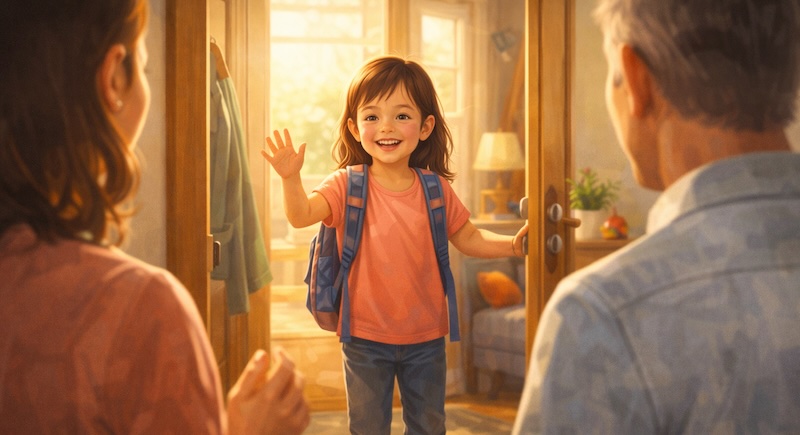
What you will find in this section
Educational tips for children: family life, respect, and kind behavior.
Tips in this category





Why it matters
Common mistakes
Other tip categories
Explore other categories to connect Education with daily routines and positive habits:
Frequently asked questions
How can I work on these behaviors without correcting all day?
The key is usually to anticipate, model the right behavior, and reinforce it when it appears. If you only intervene when there is a problem, learning is slower and creates more strain at home.
What should I do if they hit, shout, or argue with siblings?
First it is best to stop the situation calmly and then work on the alternative: how to ask for something, express anger, or resolve a conflict. Repeating and reinforcing that alternative is more useful than focusing only on punishment.
How long does it take a child to improve family-life habits?
There is no exact timeframe, but with clear messages, example, and consistency, gradual progress usually appears. With these kinds of behaviors, it is important to value small improvements too.