
Tips for helping children collaborate at home and take responsibility
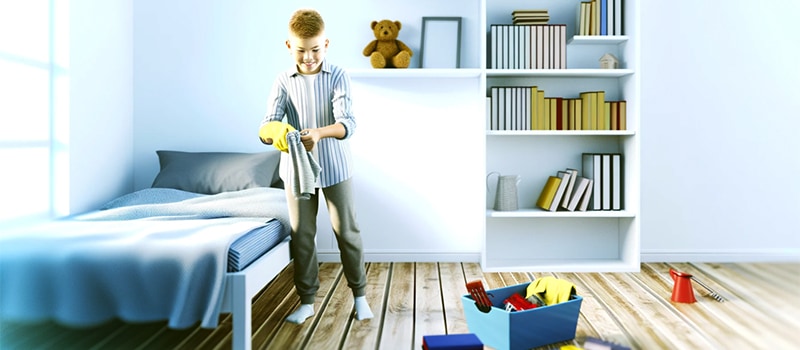
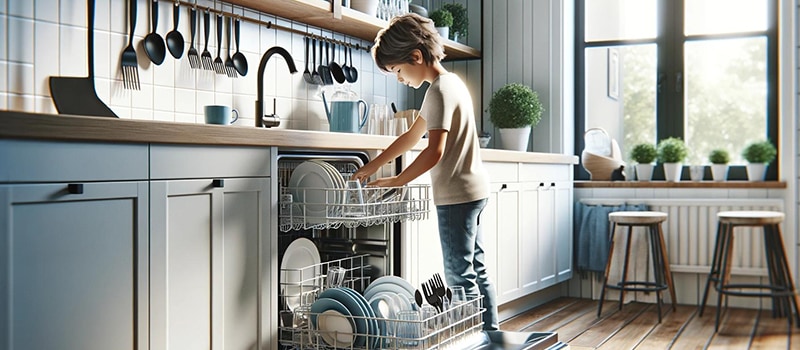
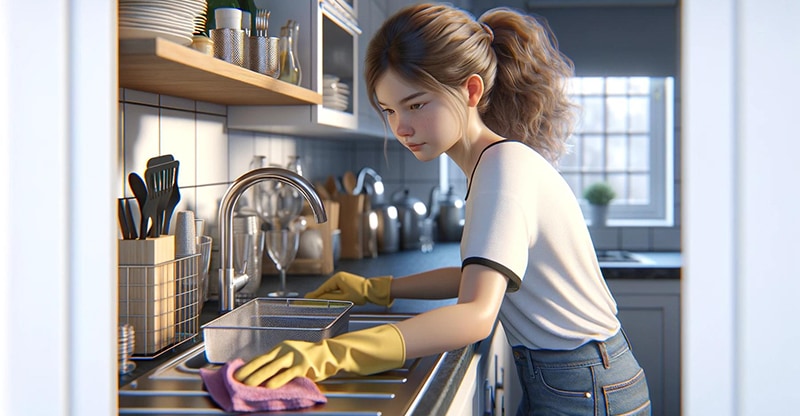
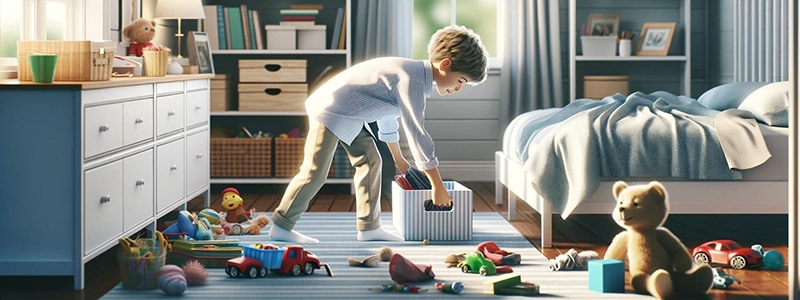
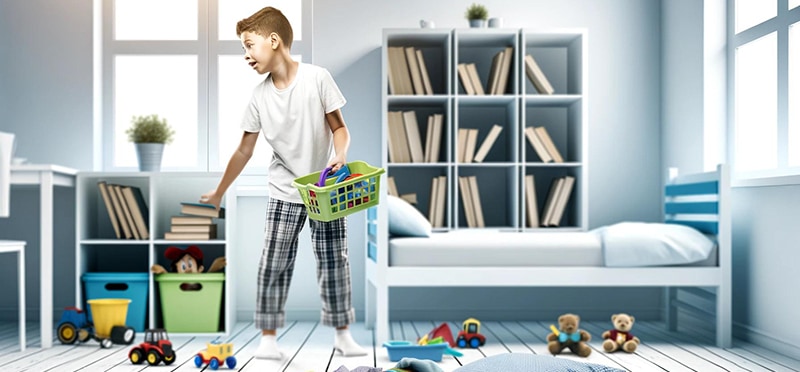
Taking part in household tasks helps children develop responsibility, independence, and a sense of collaboration.
Even so, tidying, organizing, or helping at home often becomes a source of constant reminders and arguments.
In this category you will find practical tips for introducing household tasks gradually, realistically, and in an age-appropriate way.

What you will find in this section
Tips for helping children collaborate at home and take responsibility.
Tips in this category











Why it matters
Common mistakes
Other tip categories
Explore other categories to connect Home with daily routines and positive habits:
Frequently asked questions
From what age can children help with household tasks?
It depends on the task, but from a young age they can take part in simple actions such as tidying toys, taking clothes to the hamper, or putting something in its place. The important thing is to adapt the task to their age and repeat it consistently.
What should I do if they protest every time I ask them to help?
It is usually more effective to assign predictable, concrete tasks than to ask for help only during tense moments. When the child knows what is their responsibility, when, and how to do it, resistance decreases.
Should I correct them if they do not do it perfectly?
It is better to prioritize the habit over perfection. If you correct too much or redo the task in front of the child, they may lose motivation. It is better to reinforce participation and improve details gradually.