Home Tips List Not snacking between meals
Parenting tip
Health

How to prevent your child from snacking between meals

Teaching your children not to snack between meals is important to promote healthy eating habits and avoid excessive consumption of unhealthy foods.

Many parents encounter difficulties such as constant "I'm hungry", boredom, irregular routines or the pressure of visible snacks, which makes it difficult to educate this habit without conflicts.

Here are some helpful guidelines for consistently working on this habit Apply them and track results in the app from Motikids..

Motikids tip: Not snacking between meals

Practical tips

Use these ideas as a guide. What matters is consistency and positive reinforcement.

Establish regular meal times

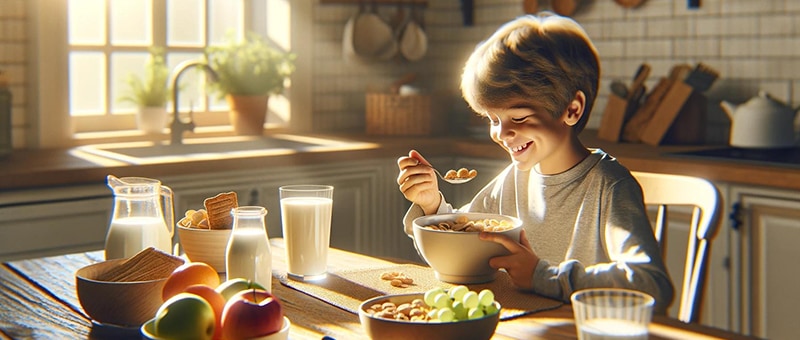
  • It promotes the importance of having regular meal times, including breakfast, lunch, dinner, and a couple of healthy snacks in between.
  • Maintaining a consistent eating routine helps prevent the need to snack between meals and allows for better control over food intake.
  • She explains that this routine helps them train their bodies to recognize when it's time to eat and when it's time to wait.

Offer healthy snack options

  • Keep a variety of healthy snack options available at home, such as fresh fruit, cut vegetables, natural yogurt, or unsalted nuts.
  • By offering healthy and affordable options, your children will be more likely to choose nutritious foods instead of unhealthy snacks.

Limit access to unhealthy foods

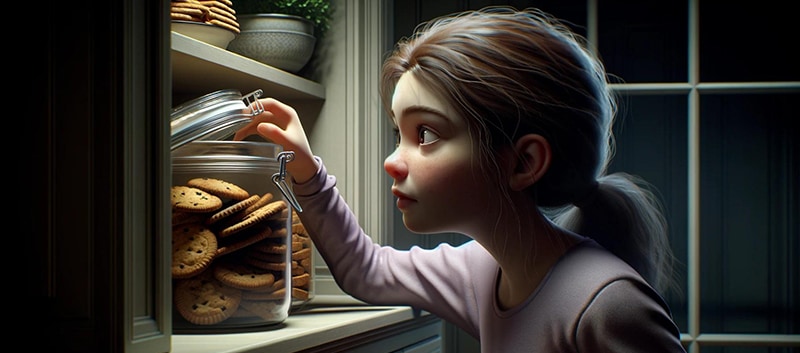
  • Avoid having processed foods, sweets, cookies, and other unhealthy snacks at home that might tempt your children to snack between meals.
  • Limiting access to these foods helps reduce temptation and encourages the choice of more nutritious options.

Promote adequate hydration

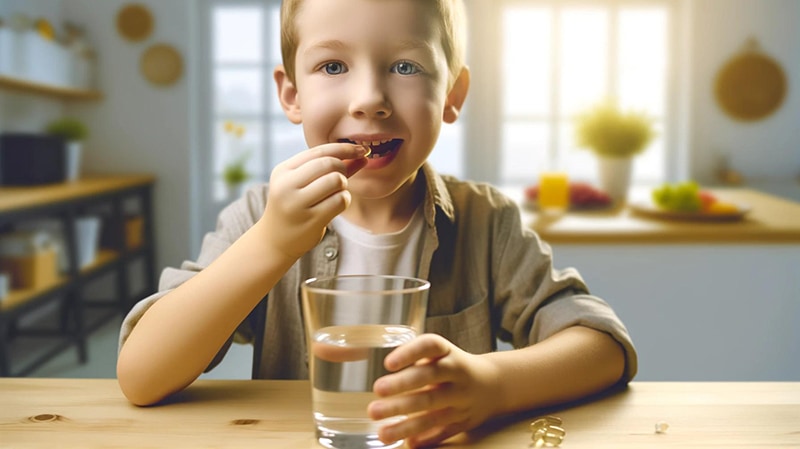
  • Teach your children the importance of staying hydrated by drinking enough water throughout the day.
  • Often, the feeling of hunger can be mistaken for thirst, so drinking water can help reduce the need to snack between meals.

Identifying real hunger and managing boredom

  • Help your children differentiate between real hunger and the urge to snack due to boredom, tiredness, or emotions by asking how they feel before eating.
  • Suggest concrete alternatives when it's not hunger (going for a walk, playing, reading, doing a short task) to break the automatic habit of going to the food.
  • Positively reinforce when they wait until the next meal, highlighting their self-control and consistency so that the change is maintained over time.

Make the most of Motikids

  • Record when they have completed this task so they earn stars.
  • When they have enough, you can give them a reward.
  • That will encourage them to keep completing it and act as an incentive.
  • Access the app.

To finish

With these tips and your support, you can help your children adopt healthy eating habits and avoid snacking between meals. Remember that being a role model in terms of eating habits is also essential to teaching them good eating behaviors.

Other tip categories

Explore the rest of the tips from other categories with practical guides for educating your children:

Frequently asked questions

How can I stop my children from snacking between meals without them getting frustrated?

Establish clear schedules, offer planned healthy snacks, and explain the reason for the routine; the combination of consistent limits and available options reduces frustration.

What should I do if my child says they are hungry all the time?

Check if the main meals are complete (protein, fiber and healthy fat) and try water first; if it's still the same, validate your feeling and redirect to the next meal with an activity.

Is it bad for them to have a snack mid-morning or mid-afternoon?

No, if it's planned and healthy; a structured snack can help you get to the next meal better and avoids constant snacking.

How do I manage snacking when they're watching TV or using screens?

Separate screens and food, create a rule of eating at the table and offer snacks at a specific time; this prevents mindless eating and improves satiety.

What healthy snacks are most filling to avoid snacking between meals?

Options with protein and fiber tend to be more satiating: natural yogurt with fruit, hummus with vegetables, unsalted nuts in a small portion, or a small whole-grain sandwich with protein.