Simplify the process
- Choose clothes that are easy to put on and take off, such as garments with large buttons or Velcro instead of laces.
- This will make it easier for your children to learn to get dressed by themselves.

Teaching your children to get dressed independently is an important step in developing independence and autonomy.
It is common for parents to face morning rushing, frustration with slowness, rejection of certain clothes, and the urge to do everything for them to avoid conflict.
The following tips will help you approach it in a practical way Apply them and track results in the app from Motikids..
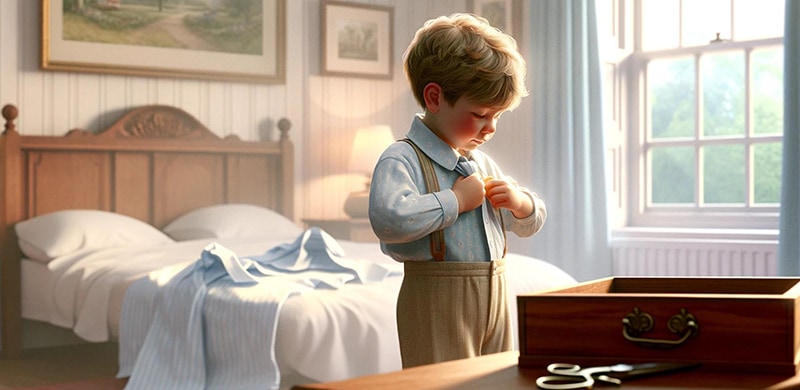
How to teach getting dressed independently step by step.
Use these ideas as a guide. What matters is consistency and Positive reinforcement.
Remember that teaching your children to get dressed independently is a gradual process that requires patience and practice. With your guidance and support, they will eventually be able to do it independently, strengthening their sense of achievement and self-esteem.
If you are working on “Getting dressed independently”, these related tips from the same category can help as practical next steps:

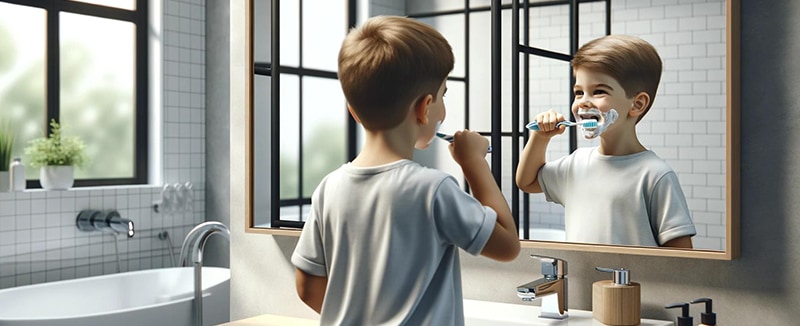
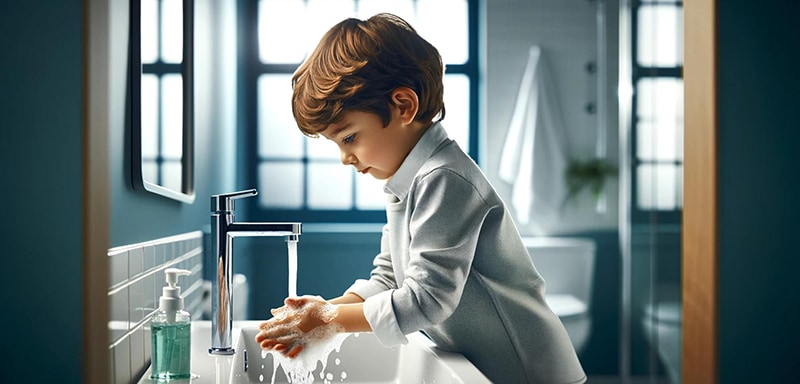
In addition to this habit, many families also work on these rules at home:

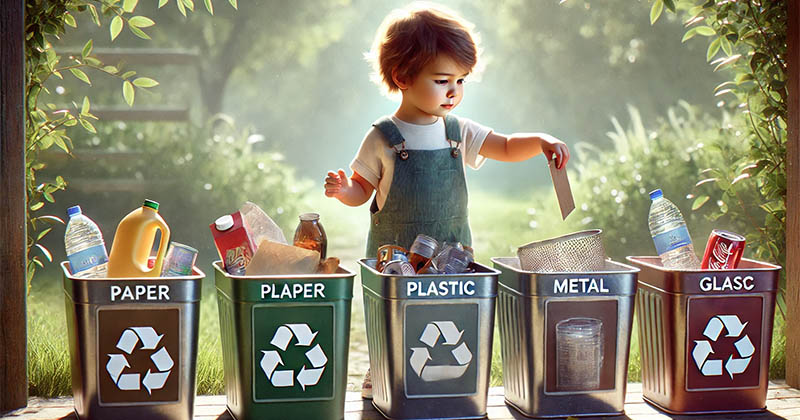

Explore more guides that connect “Getting dressed independently” with other family habits:
It depends on each child's development, but many start participating between ages 2 and 3 and gradually gain independence during the preschool years.
Reduce the difficulty, use simpler garments, offer partial help, for example starting the garment and letting them finish, and reinforce effort more than the result.
Prepare clothes the night before, give extra time at first, and make getting dressed part of the routine; with practice, the process becomes faster without losing independence.
If there is no safety or comfort problem, you can let it go and discuss it calmly later; prioritize independence and correct only what is necessary.
Clothes with Velcro, elastic, large buttons, and easy zippers; avoiding laces or complex fasteners at first helps them have more success and confidence.