Home Tips List Taking a bath
Parenting tip
Hygiene

How to teach your child to bathe independently

Teaching your children to bathe is an important part of their personal hygiene routine.

It is common for parents to face resistance, rushing, lack of motivation, or fear of water when trying to establish the bath habit.

Here are several useful recommendations for working on this habit Apply them and track results in the app from Motikids..

Motikids tip: Taking a bath

Practical tips

Use these ideas as a guide. What matters is consistency and positive reinforcement.

Create a routine

  • Create a regular bath routine, preferably at the same time every day.
  • This will help your children understand when it is time to bathe and integrate it into their daily life.

Make it fun for them

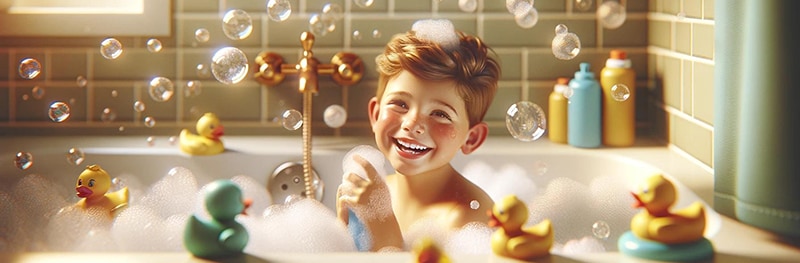
  • Make bath time a fun and pleasant experience.
  • Provide bath toys or games they can use while bathing.
  • This will make bath time more entertaining and help your children see it as something positive.

Teach the importance of hygiene

  • Talk to them about the importance of staying clean and healthy.
  • Explain how bathing helps remove dirt and germs from their bodies.
  • This will help them understand why bathing regularly is important.

Supervise at first

  • At first, supervise your children while they bathe to make sure they do it correctly.
  • Teach them how to wash their body, hair, and teeth properly.
  • Over time, give them more independence as they gain skills and confidence.

Reinforce independence and the steps

  • Divide bath time into simple, visible steps, for example: get wet, soap up, rinse, wash hair, and dry off.
  • You can use a pictogram or list in the bathroom so your child knows what comes next and arguments are reduced.
  • Reinforce each improvement with specific recognition, for example: "Today you remembered to rinse the shampoo well."
  • If your child gets distracted or resists, offer limited choices, for example: "Do you want to bathe with bubbles or without bubbles?" to keep control without entering a struggle.

Make the most of Motikids

  • Record when they have completed this task so they earn stars.
  • When they have enough, you can give them a reward.
  • That will encourage them to keep completing it and act as an incentive.
  • Access the app.

To finish

Remember that teaching your children to bathe requires patience and consistency. These tips and your support can help them acquire this important personal hygiene habit.

Other tip categories

Explore the rest of the tips from other categories with practical guides for educating your children:

Frequently asked questions

What should I do if my child refuses to bathe every day?

Keep a consistent schedule, give advance notice, and offer limited choices, such as shower or bath, with toys or without toys, to avoid power struggles.

How can I help if they are afraid of water or getting their head wet?

Go gradually, use a cup or visor for rinsing, let them control part of the process, and validate their fear while helping them gain confidence.

How long should bath time last so it is sustainable?

A short, predictable bath usually works best; you can set an approximate time and always keep the same steps so your child knows what to expect.

How can I get them to wash well without correcting all the time?

Teach a sequence by areas, such as armpits, feet, back, and so on, use a visual list, and praise what they do well before correcting one specific detail.

What should I do if they get distracted playing and do not finish bathing?

Set aside a few minutes to play at the beginning or end, then return to the sequence with simple reminders to finish washing and rinsing.